Anthropology begins with a simple but demanding act: taking other ways of living seriously. It asks us to look beyond familiar categories and understand how people make sense of family, identity, belief, power, memory and change on their own terms.
My interests move between ethnographic observation and historical genealogy: how customs, institutions and identities came to take the forms we now treat as natural. Some notes grow out of fieldwork and travel; others begin with an archive, a historical puzzle or a question that refuses a simple answer.
These are not formal academic papers. They are field notes in the broadest sense: records of people, places, histories and ideas that have changed how I see the world.
Culture and community in practice
-
Senior living
Anthropology, travel photography and the power of connection
As the holiday season approaches, I’ve been reflecting on two personal passions that deeply influence how I see the world and approach my work: Anthropology and travel photography.
Studying and researching anthropology at Harvard, with a focus on Asian family structures, has given me a richer understanding of how intergenerational bonds and family dynamics shape communities and cultures. These insights often remind me of the work we do at Sindora Living 欣岳年 , where creating meaningful connections between residents, their families, and caregivers is at the heart of everything we strive for.
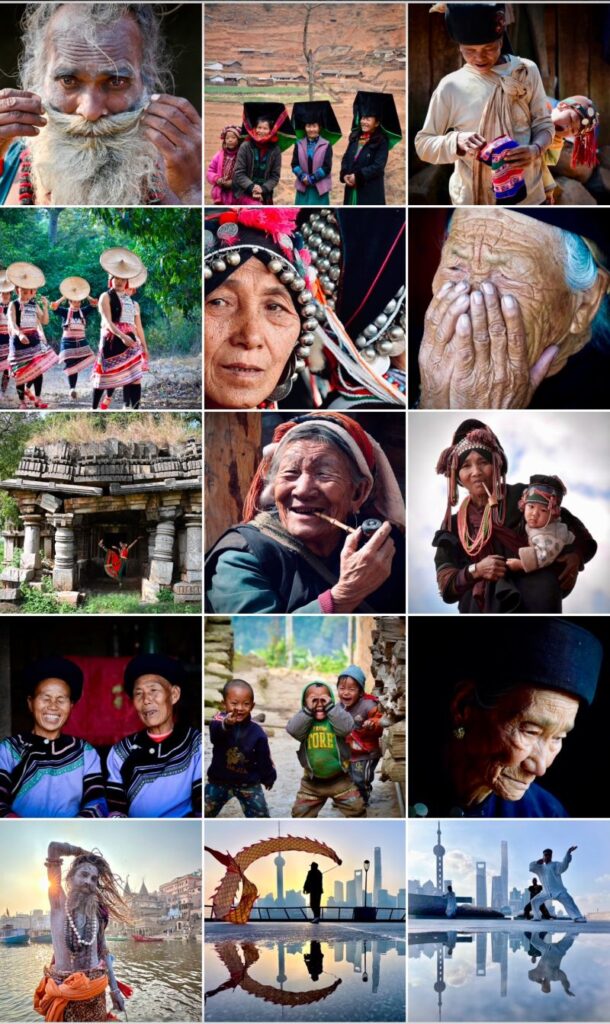
Travel photography is another way I explore these themes. Through my lens (shared on Instagram ), I try to capture the small yet profound moments of connection—families sharing a laugh, the wisdom in an elder’s expression, or the timeless beauty of traditions that bring people together.
These passions continue to inspire my work. At Sindora Living, we aim to create spaces where seniors feel valued, celebrated, and connected—whether through memorable activities, thoughtful care, or simply honoring the stories they carry with them.
As we enter this season of togetherness, I hope we can all take time to reflect on and celebrate the connections that matter most in our lives—whether with family, friends, colleagues, or even strangers who inspire us.
If you are curious about my photography, you can find more of it on Instagram. And if you share an interest in anthropology, family studies or the meaning of connection, I would be glad to hear your thoughts.
Wishing you all a warm and joyful holiday season, filled with meaningful moments.
First published on LinkedIn, December 19, 2024. View the original post.
-
Senior living
“3-8”: The women who gave depth to my life in Asia
"3-8" as they call it in Chinese. A personal post this time, to all women who brought light, colours and depth to my journey in Asia!
First published on LinkedIn, March 8, 2020. View the original post.
-
Senior living
In Chinese, respect for elders sounds like laughter
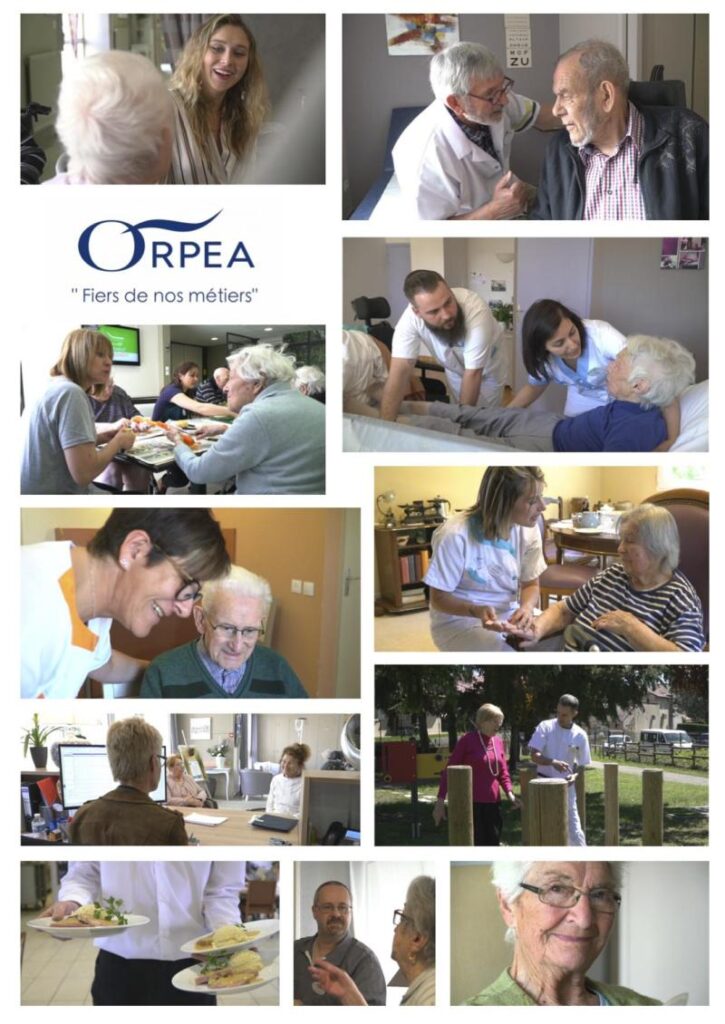
The Chinese word for « respect the elders » 孝 is pronounced the same way as the word for « laugh » 笑. That teaches us something. Caregivers, doctors, housekeepers, cooks, security guards, therapists… at Orpea China 欧葆庭中国, we are all proud of our jobs.
First published on LinkedIn, August 27, 2019. View the original post.